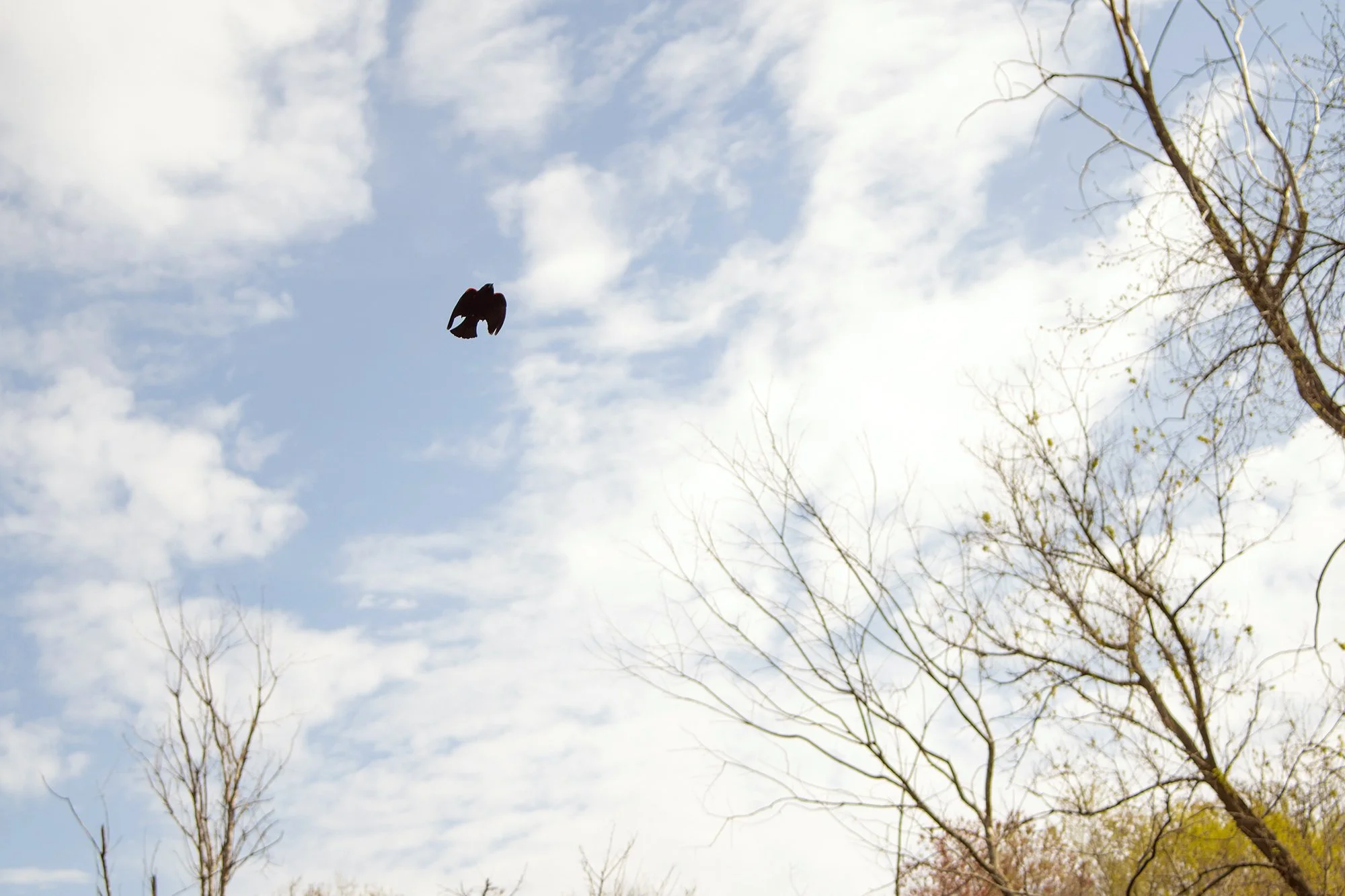
A red-winged blackbird soars above the wetlands. More than 130 different species of birds have been observed and reported in the Roslindale Wetlands following a major restoration project that spanned from 2020–2024.
Part of the Boston Urban Wilds series
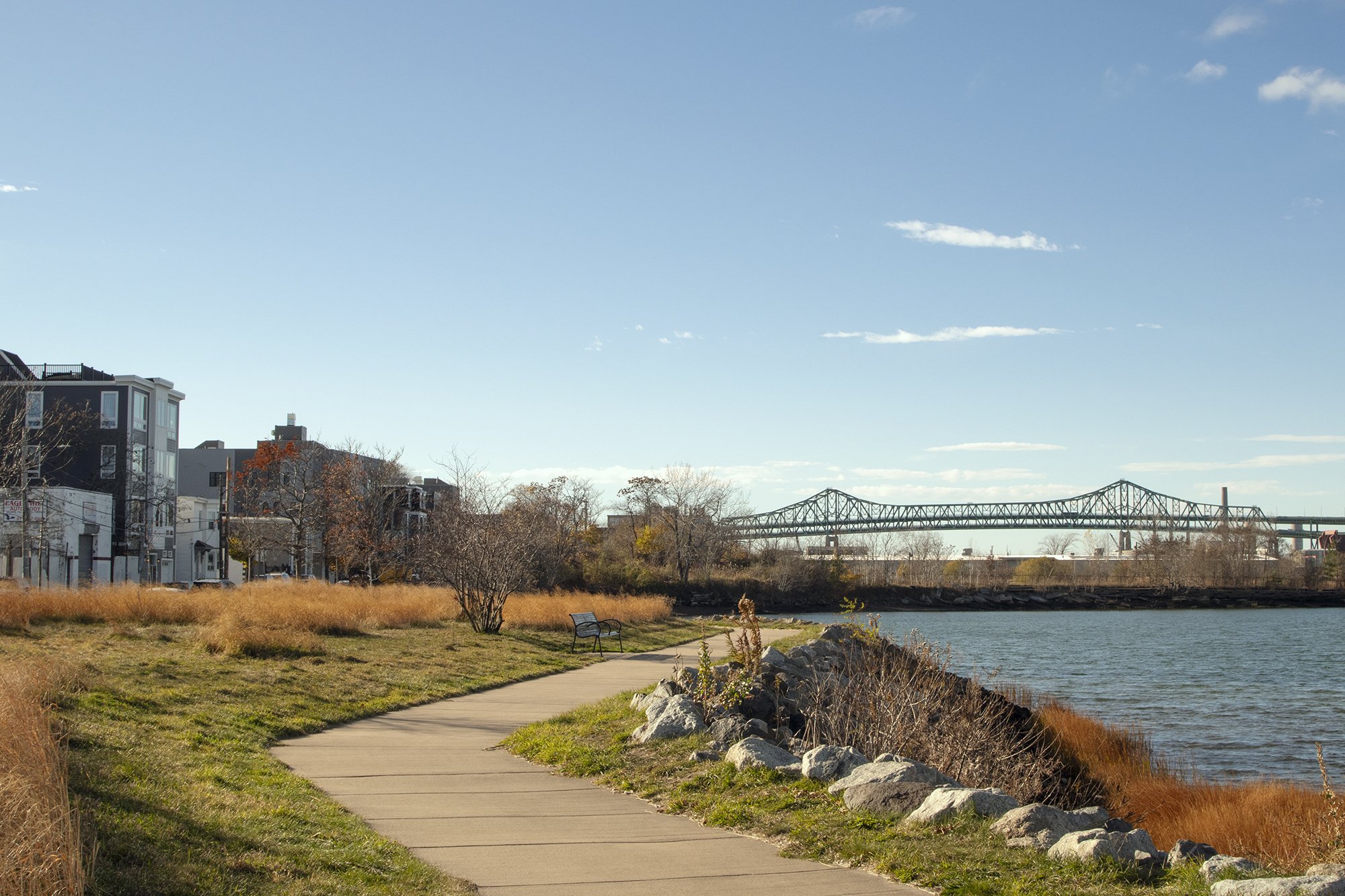
Condor Street Urban Wild was once the site of heavy industry. After decades of restoration efforts, a constructed salt marsh and meadow grasses now line the bank of the Chelsea Creek.
Part of the Boston Urban Wilds series
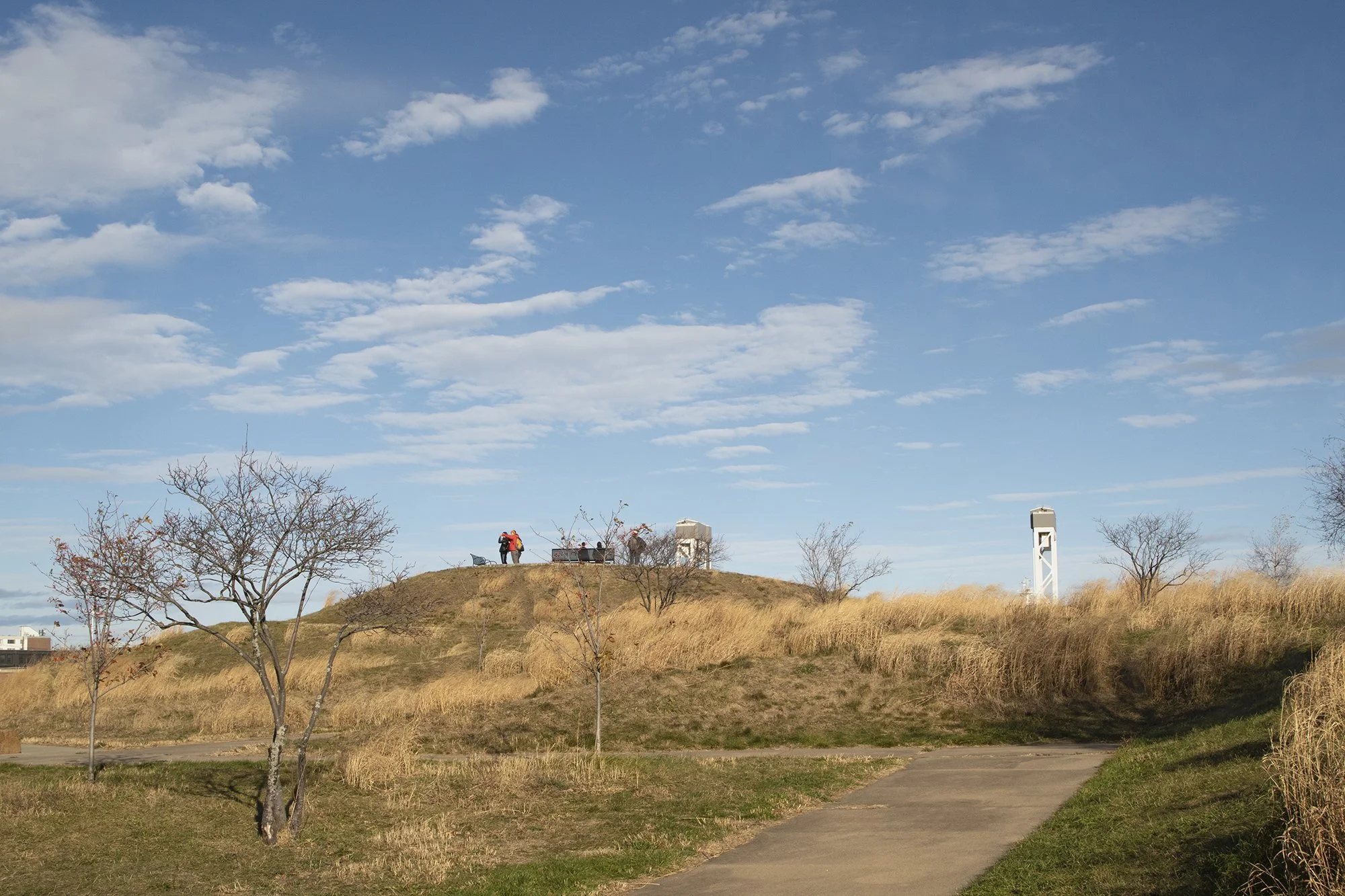
Underneath the grasses and soil seen here is a concrete cap that contains and protects industrial contaminants from past development. With these contaminants securely enclosed, the meadow above now provides neighbors with trails and views of the Chelsea Creek.
Part of the Boston Urban Wilds series
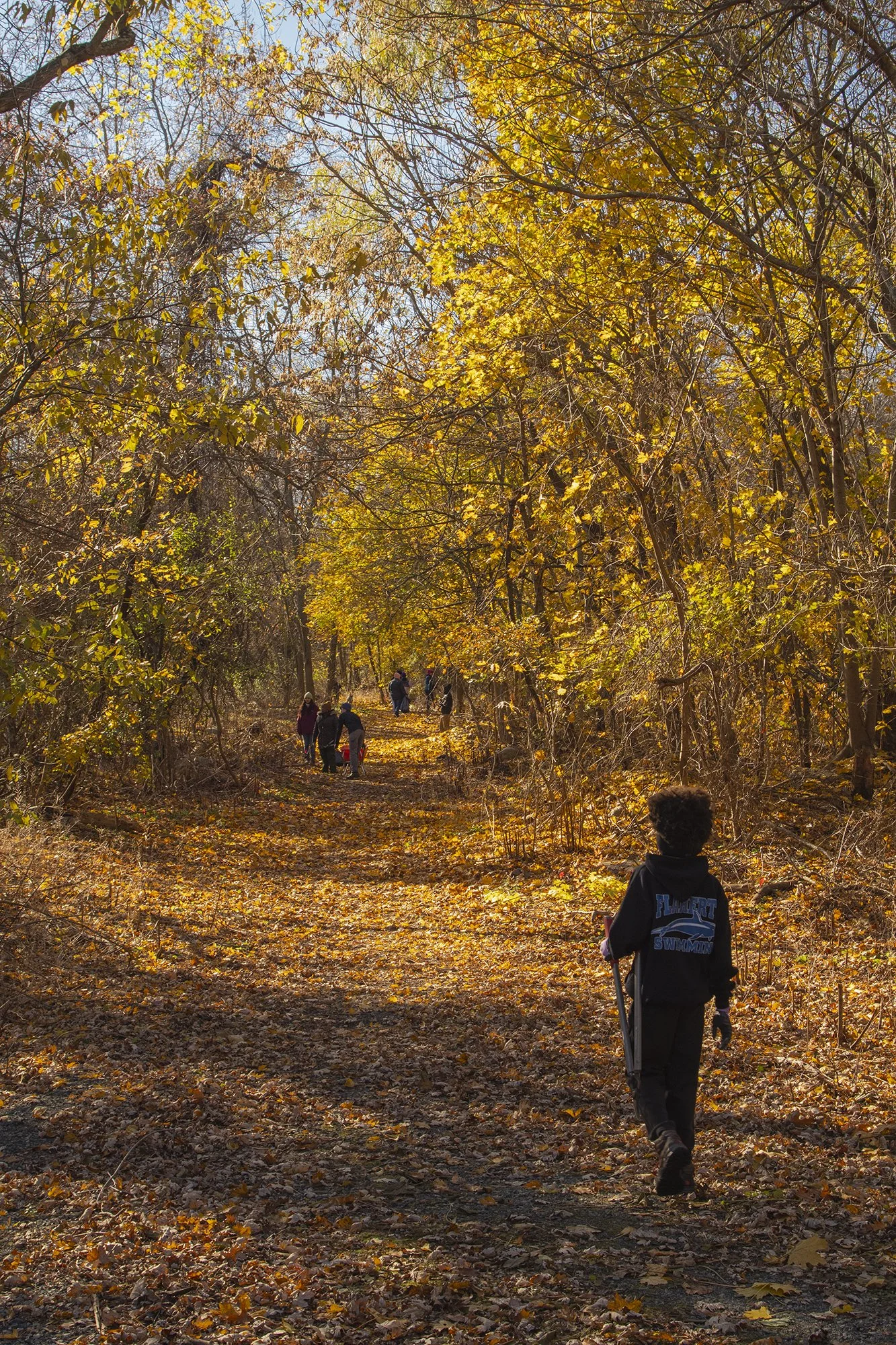
Sherrin Woods is Boston’s second largest Urban Wild, consisting of 25 acres of forest, wetlands, a wildflower meadow, and large outcrops of rocks from a former quarry site. Here, a youth volunteer joins a community clean-up event in a newly preserved segment of the woods.
Part of the Boston Urban Wilds series
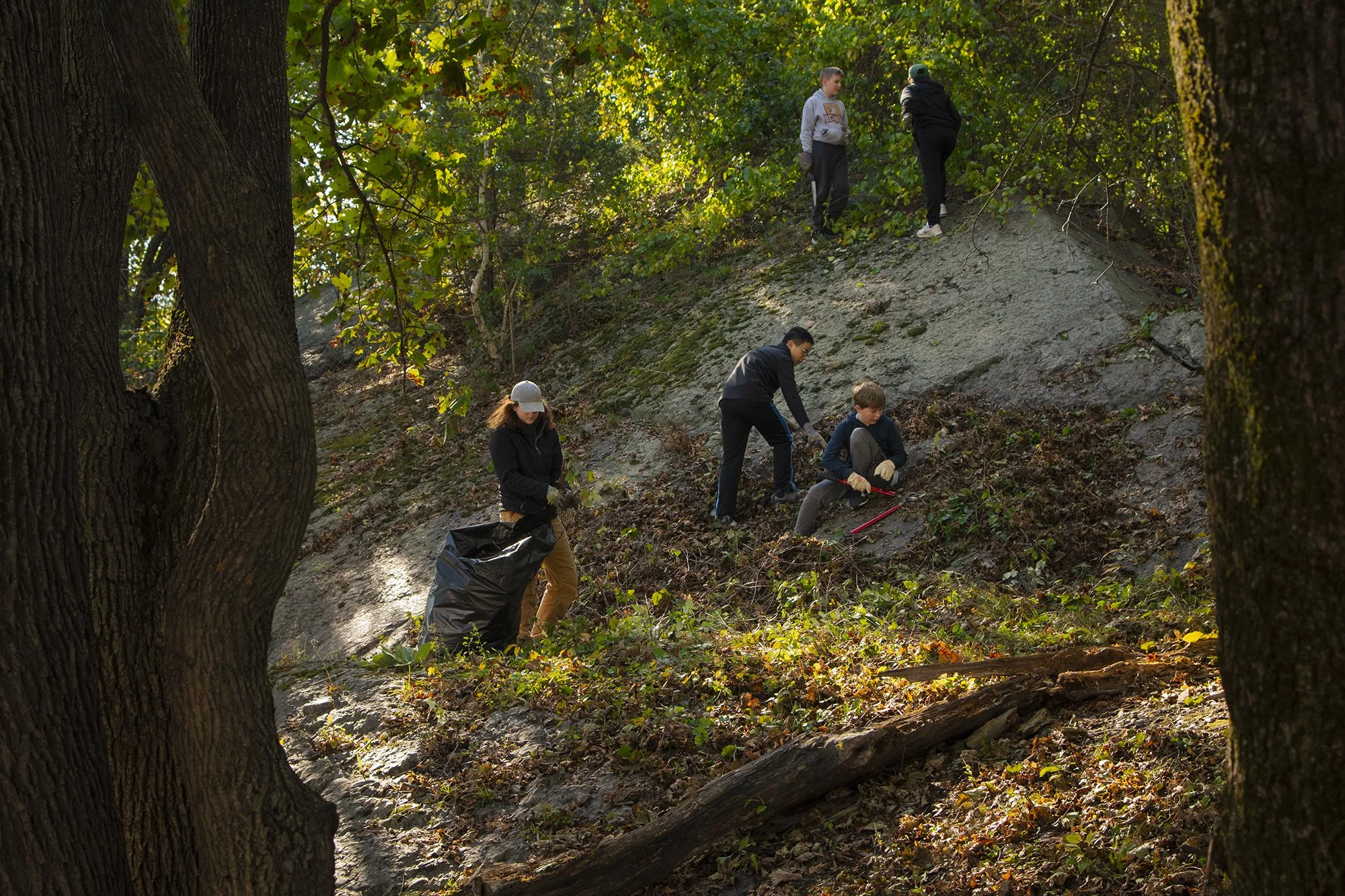
Youth volunteers and Urban Wilds staff remove overgrowth and debris from the 40-foot high rockface Geneva Cliffs is named for. This stewardship helps to increase biodiversity and allows neighbors and passersby to see unique formations of Roxbury Puddingstone from Geneva Avenue.
Part of the Boston Urban Wilds series
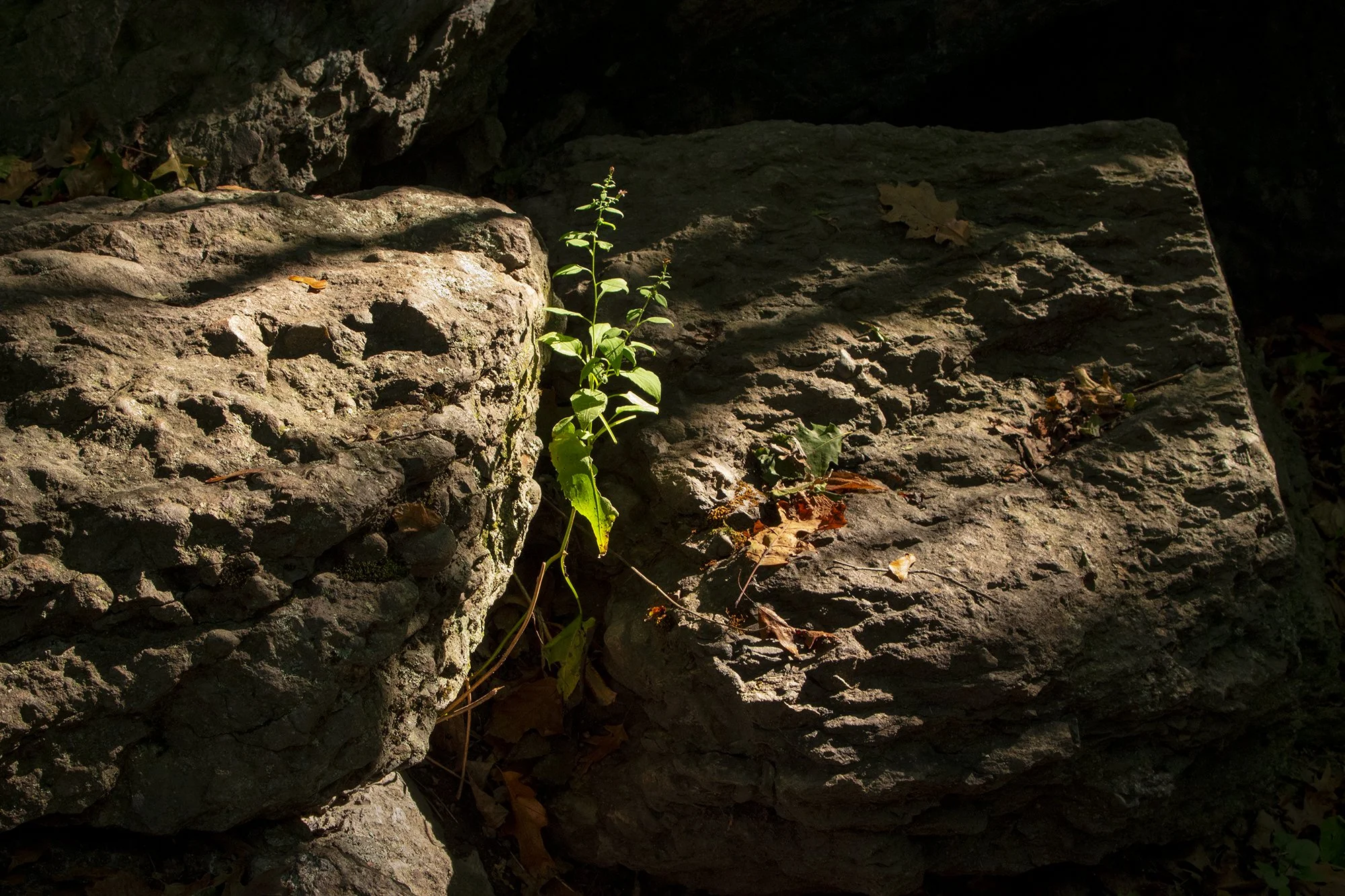
Hidden among Roxbury Puddingstone, the state rock of Massachusetts, an aster grows precariously in a patch of sunlight.
Part of the Boston Urban Wilds series
A stone stairway on Walnut Avenue leads up to this grove of maple, oaks, and cherry trees in the heart of Roxbury. This hill was once home to a cow-pasture, a church, and finally a 19th century mansion. The last owner, Almira T.B. Fenno-Gendrot, willed the land to the city explicitly stating that "the unique and elevated location shall be forever kept open, an object of beauty with its rocks and trees."
Part of the Boston Urban Wilds series
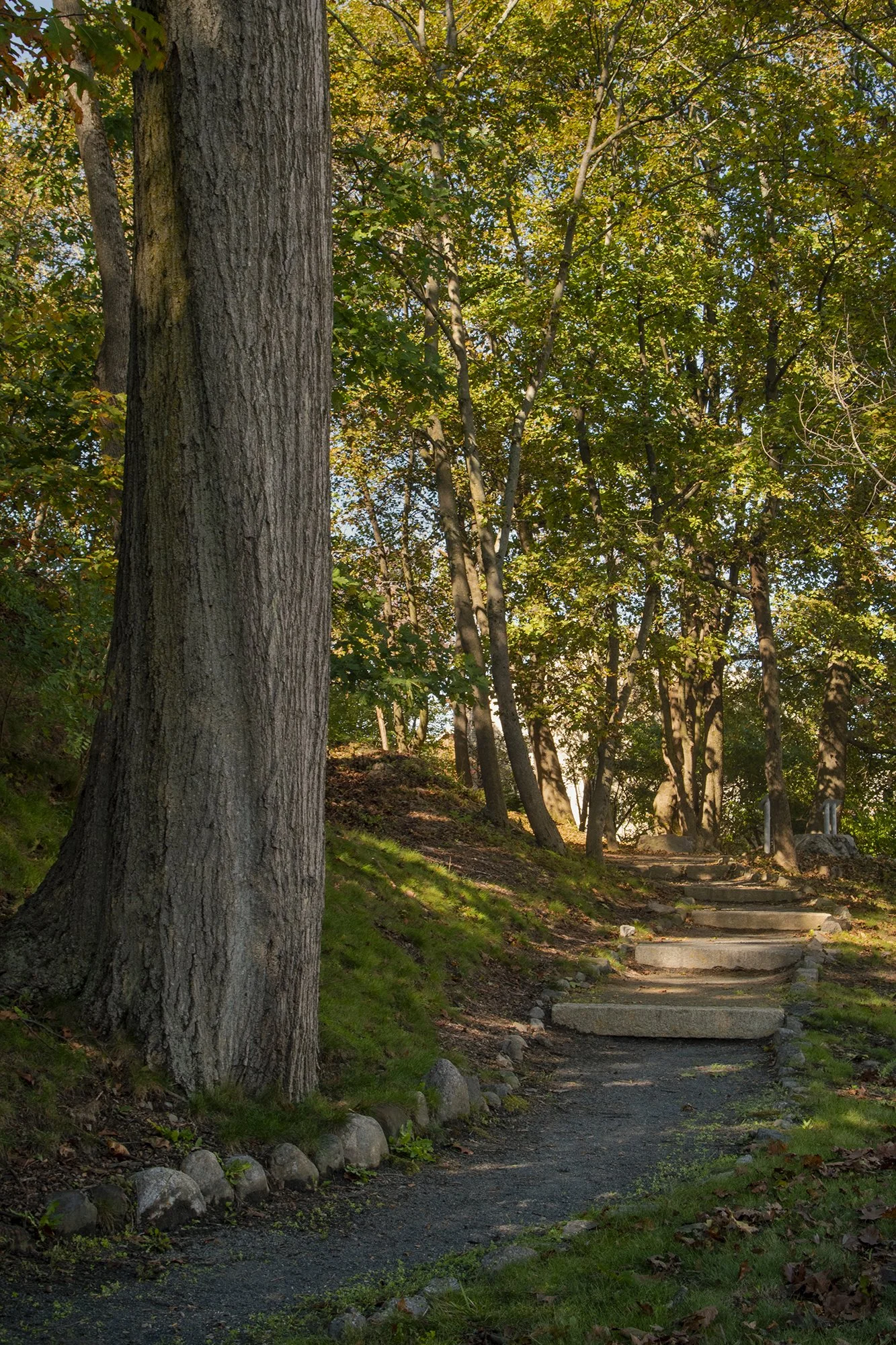
Geneva Cliffs once experienced significant dumping from construction and demolition work that degraded the site and limited public access. Now, walking paths wind through the two-acres of woodland at Geneva Cliffs. Mature trees, such as the oak and maples seen here, provide shade and cooling along Geneva Avenue.
Part of the Boston Urban Wilds series
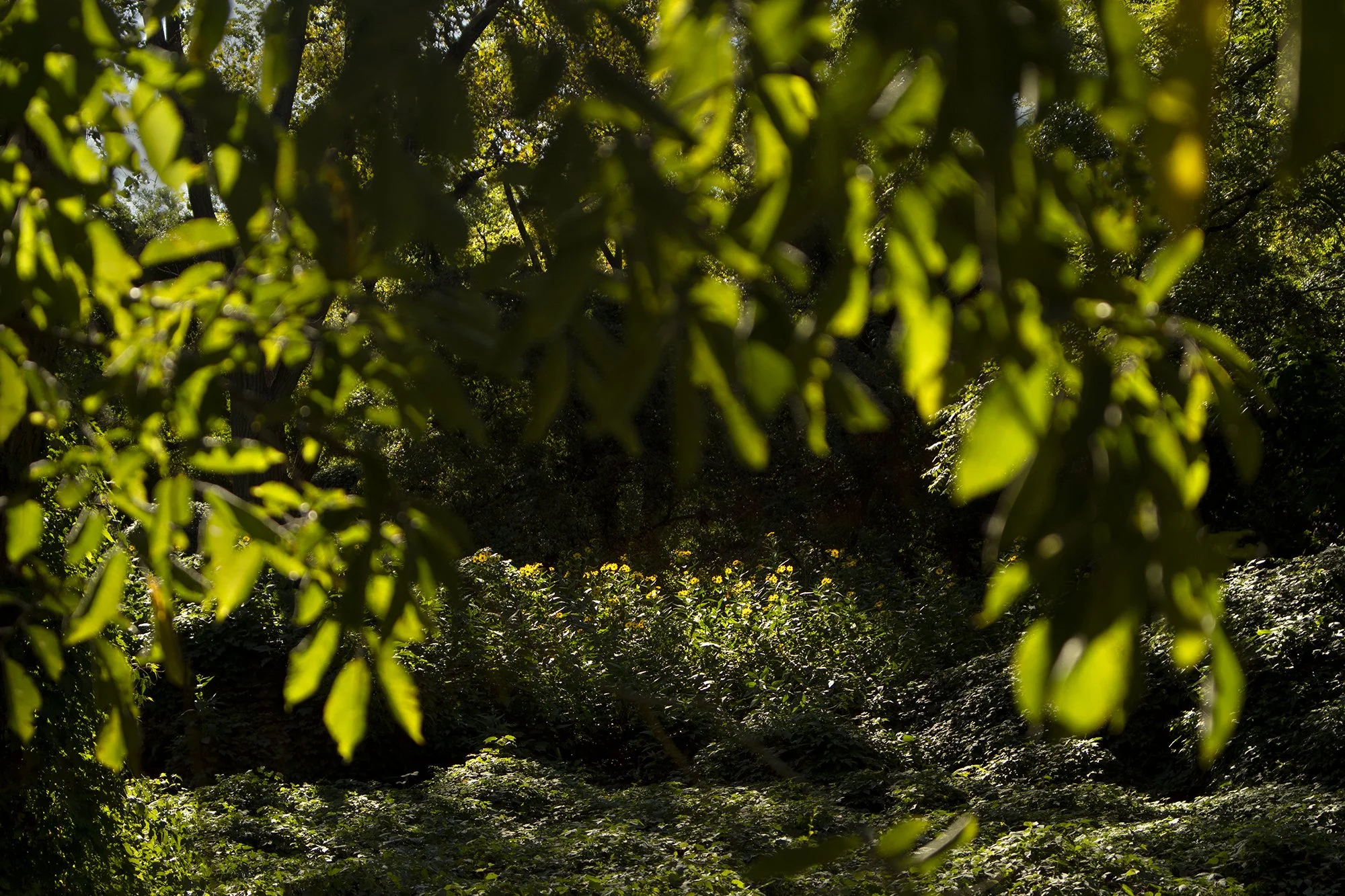
A sunflower patch soaks up morning light along the Blackwell Footpath. This path begins across from Forest Hills Station and leads to the South Street Gate of the Arnold Arboretum. Arboretum and Urban Wilds staff collaborate to maintain the paths, marsh, and wooded wetlands.
Part of the Boston Urban Wilds series
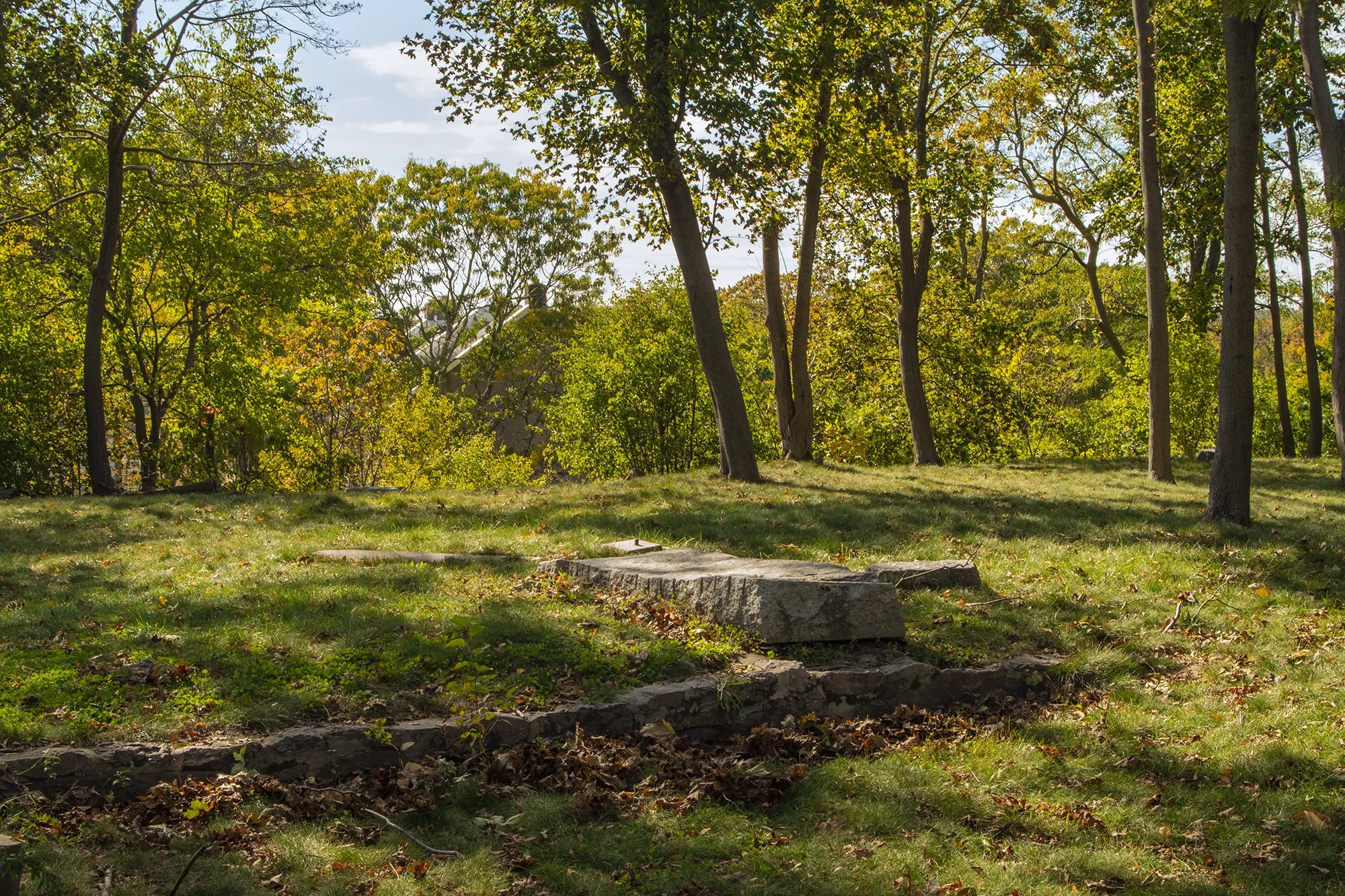
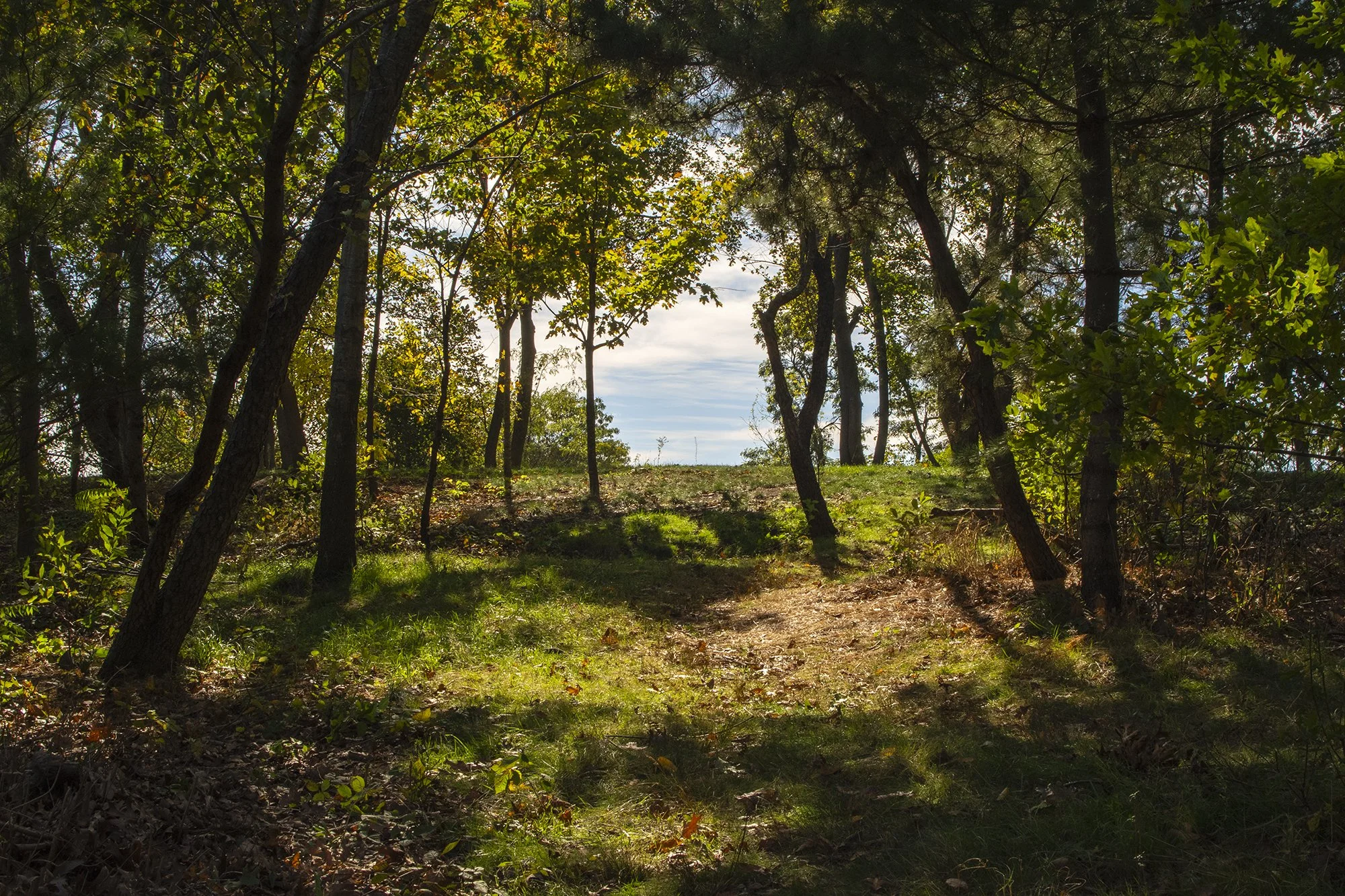
Perched above Warren Street and Walnut Avenue, Buena Vista has had many former residents. The foundation of a 19th century mansion remains on this grassy summit, bordered by woodlands. Urban Wilds staff work to remove invasive plants and increase native groundcover plantings to aid long-term woodland healing.
Part of the Boston Urban Wilds series
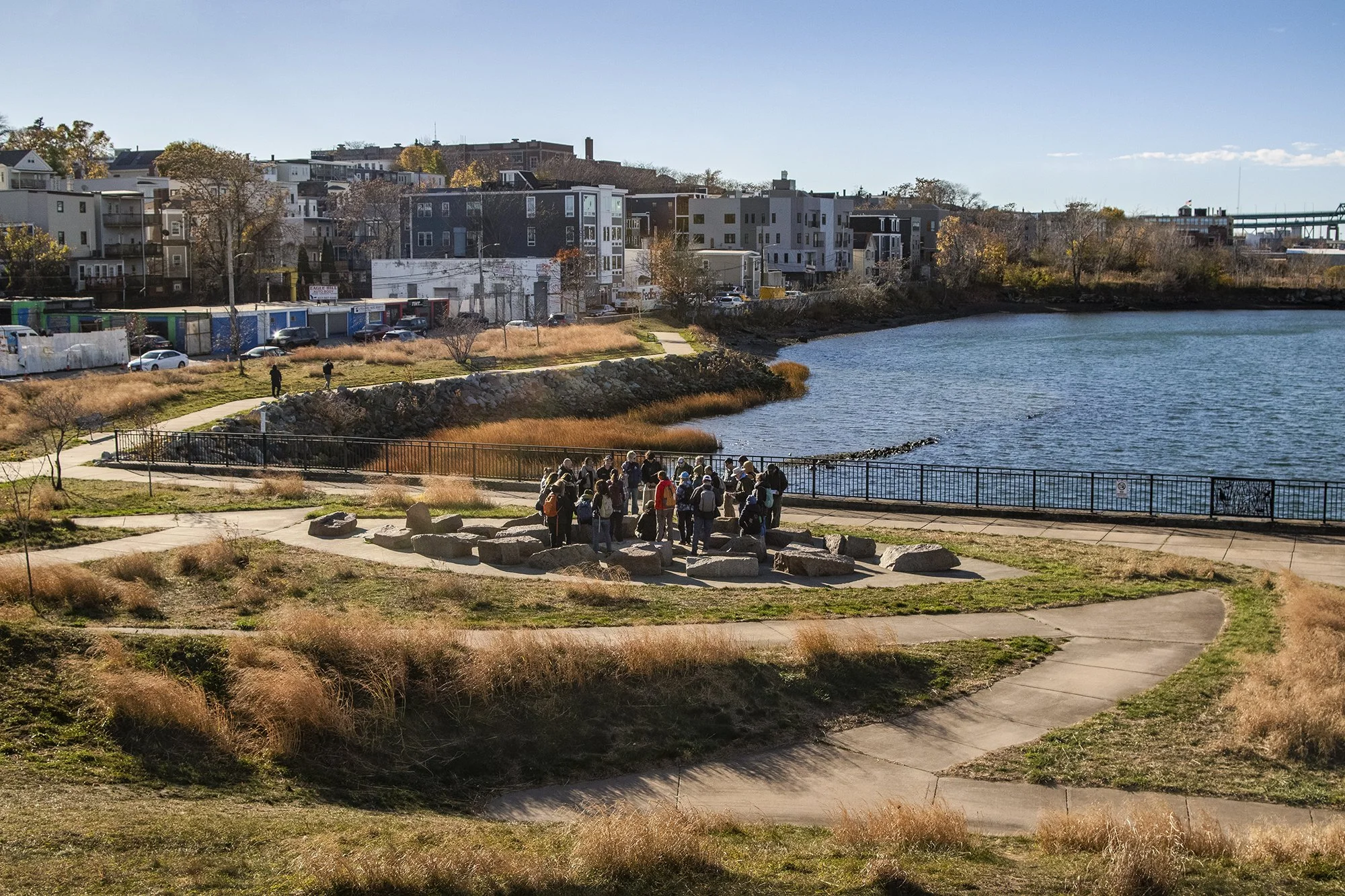
Condor Street Urban Wild was once the site of heavy industry. After decades of restoration efforts grass-filled meadows now slope down to a constructed salt marsh and newly installed “Living Seawall” panels provide habitats for seaweed and shellfish. Here a Mass Audubon class gathers around a sculpture by B Amore made from pieces of a stone seawall.
Part of the Boston Urban Wilds series
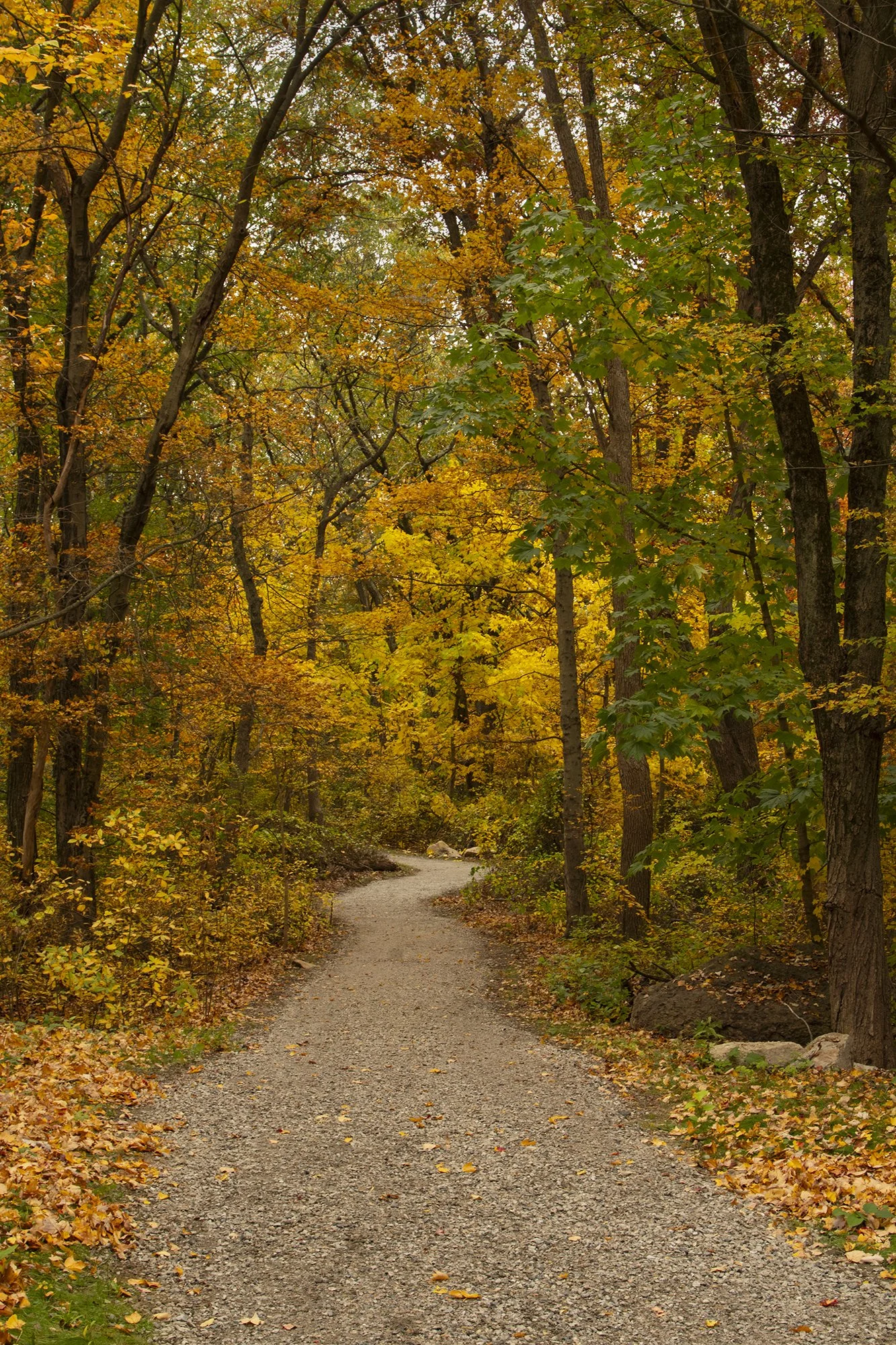
Over the last sixteen years, Urban Wilds staff has partnered with City Year, the Student Conservation Association, and PowerCorps to restore the forested wetlands at Mattahunt Woods. Through these collaborations, tons of waste, debris, and invasive species have been removed and an accessible trail network was built. These precious woods and trails were reopened in 2025 and are permanently protected from building development.
Part of the Boston Urban Wilds series
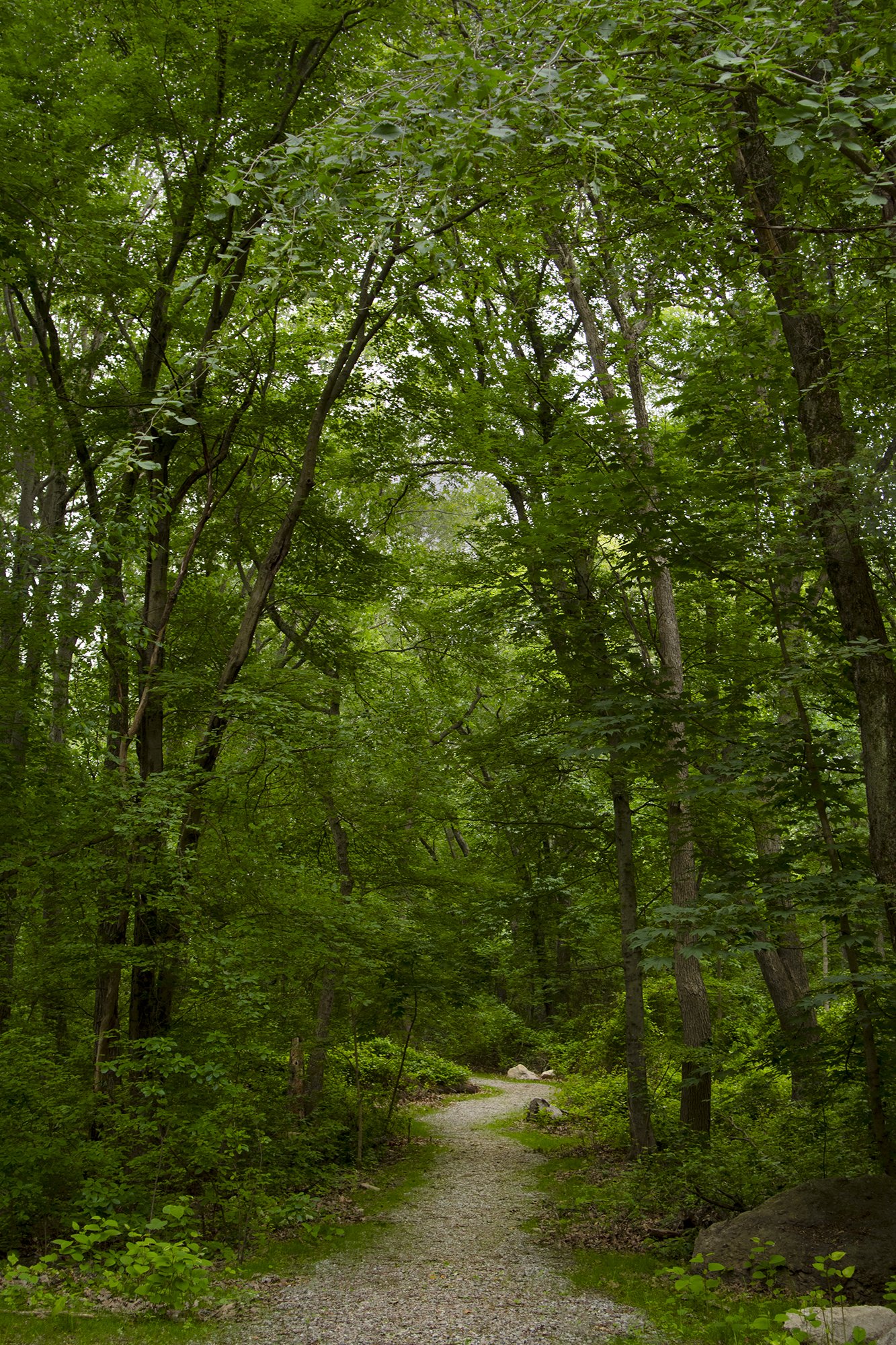
Among the newest Urban Wilds within the city, Mattahunt Woods opened to the public in 2025. It is comprised of nearly nine acres of secluded forested wetlands that provide important wildlife habitat and native vegetation, while also mitigating the impacts of storm water runoff. Permanently protected in 2008 through a citizen petition.
Part of the Boston Urban Wilds series
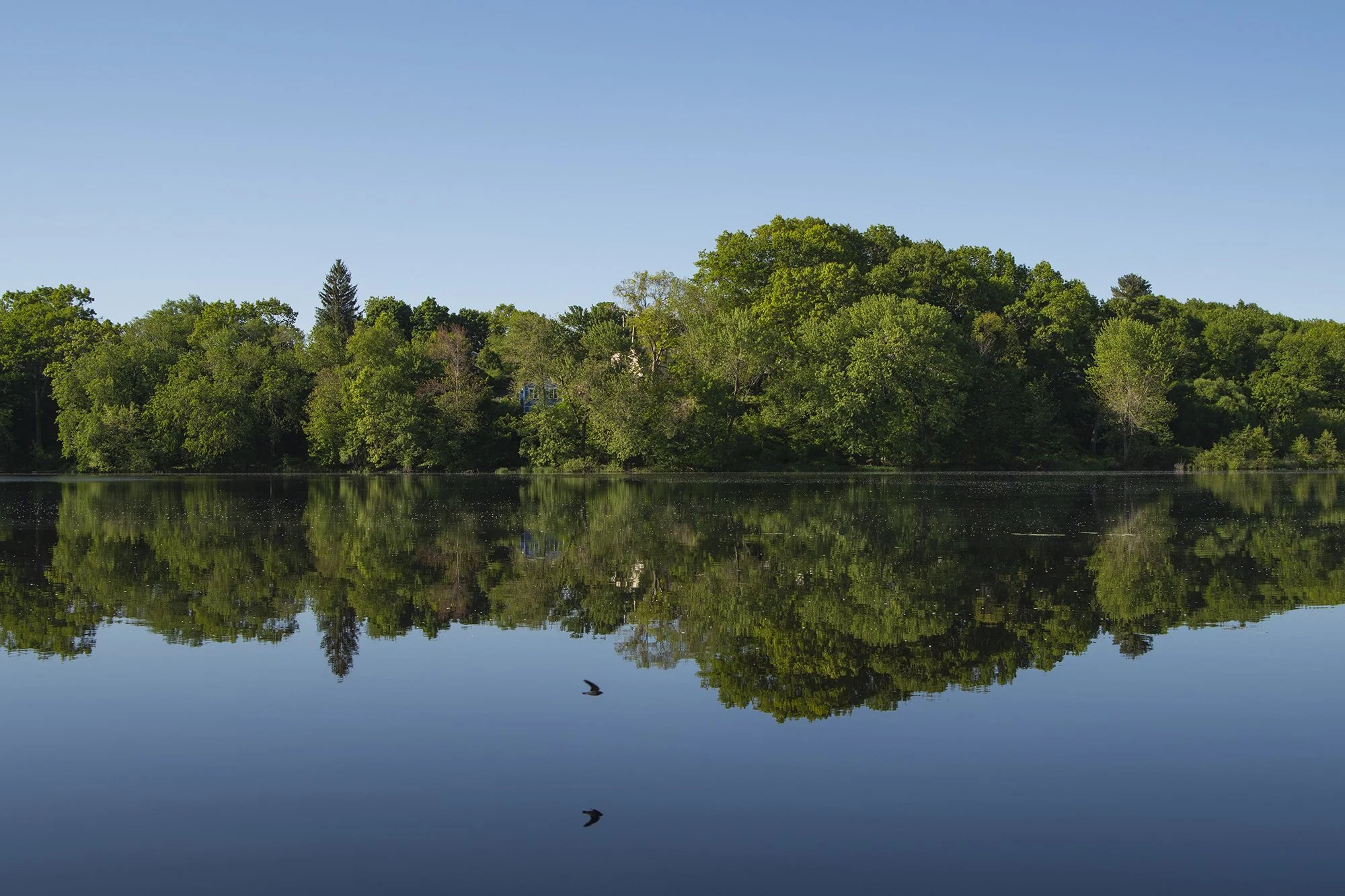
The Charles River flows through this verdant marsh and woodland. Though just under two acres in size, this narrow stretch of land is home to a wide range of wildlife including beavers, swans, herons, eagles, turtles, and snakes. Rivermoor also provides flood storage for the Charles River and buffers it from nearby industrial land uses in the area.
Part of the Boston Urban Wilds series
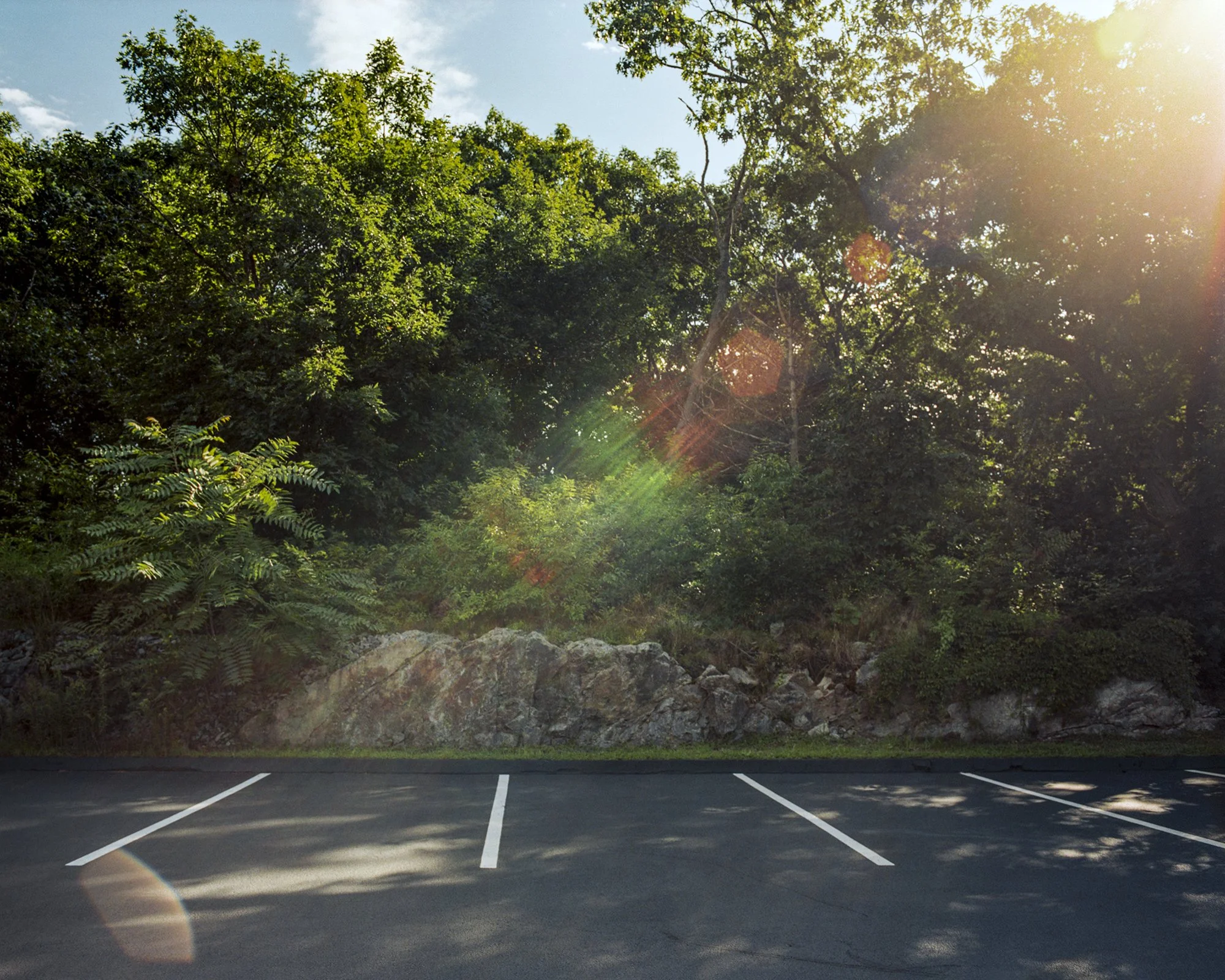
Dunbarton Woods is one of many Urban Wilds that provide Bostonians with glimpses of nature in the course of their everyday lives. By protecting this small but mighty forest, the City of Boston is also able to maintain stronger wildlife corridors connecting nearby natural areas like the Stony Brook Reservation.
Part of the Boston Urban Wilds series
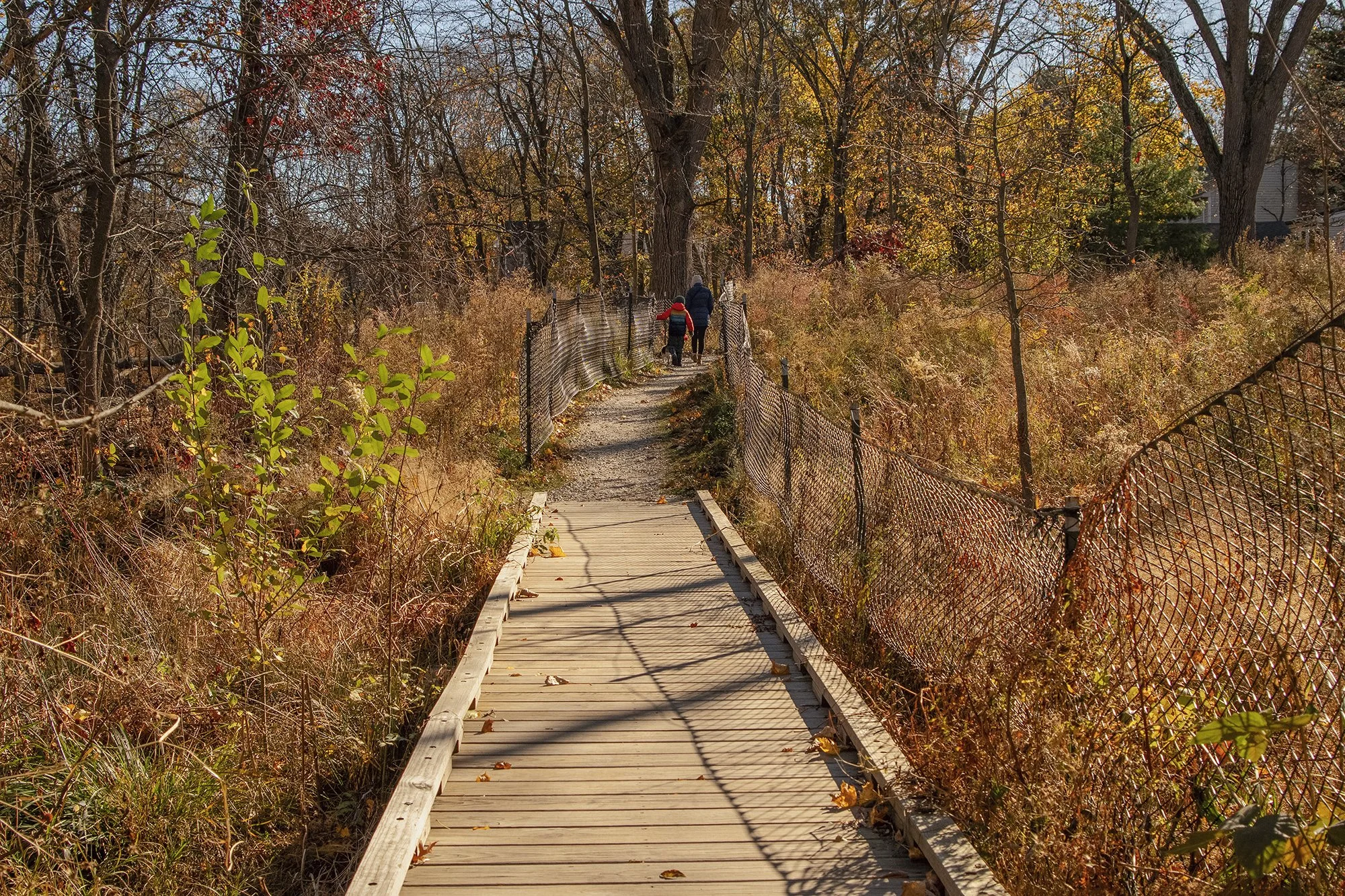
This Urban Wild is one of several with an active friends group that aids with conservation work, maintenance, and community outreach. Since 2003 the Roslindale Wetlands Task Force has collaborated with Urban Wilds staff to help restore this 10.5-acre forested wetland. The wetland once held 12 tons of asphalt and construction waste, limiting waterflow and public accessibility. Today, neighbors and local birders frequent the new trails that encircle the wetland year-round.
Part of the Boston Urban Wilds series
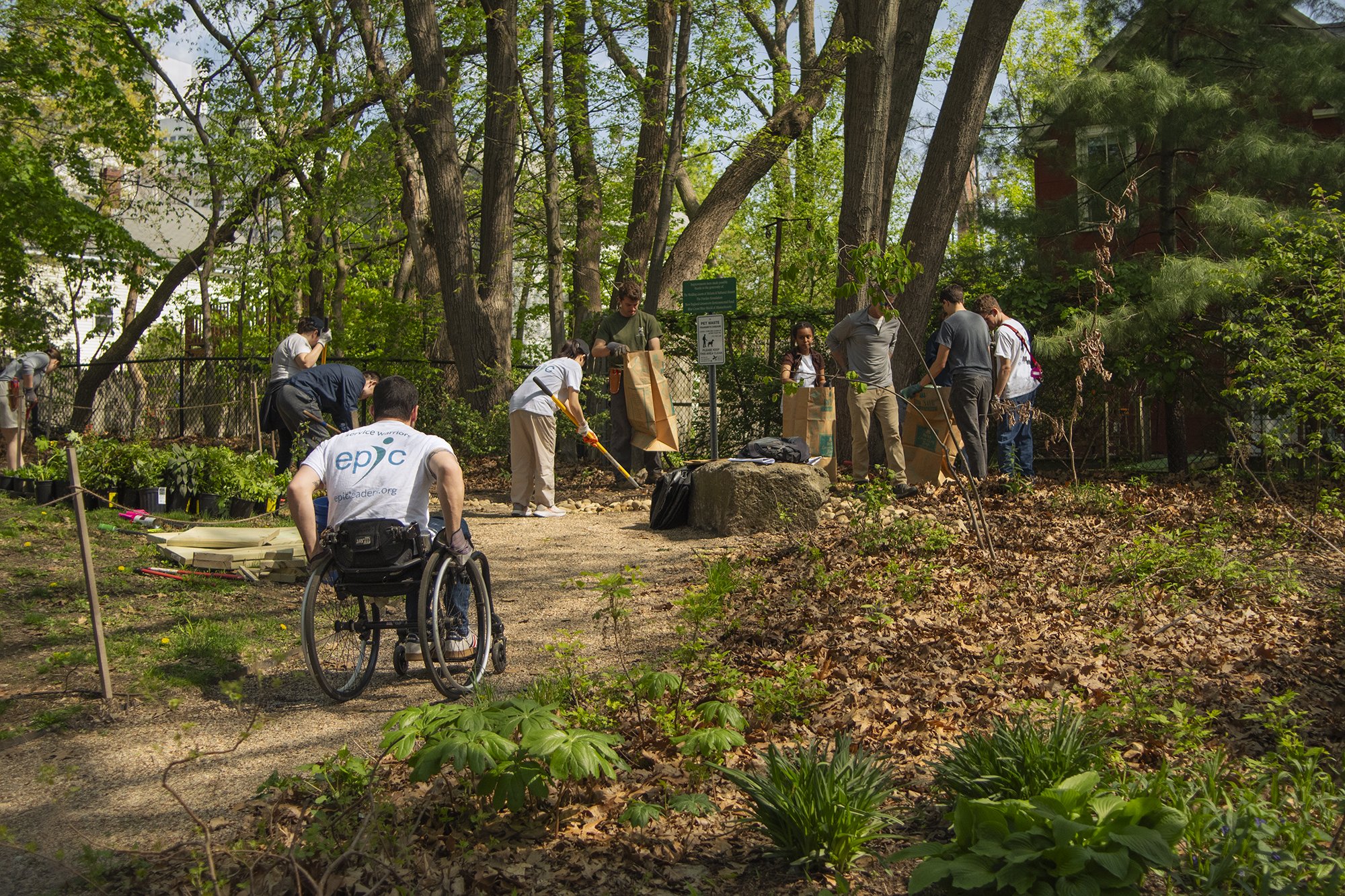
Care is collaborative at Nira Rock. Neighbors, local rock climbers, and non-profits like the Epic Service Warriors regularly provide care for the woodland and meadow alongside Urban Wilds staff at this former quarry.
Part of the Boston Urban Wilds series
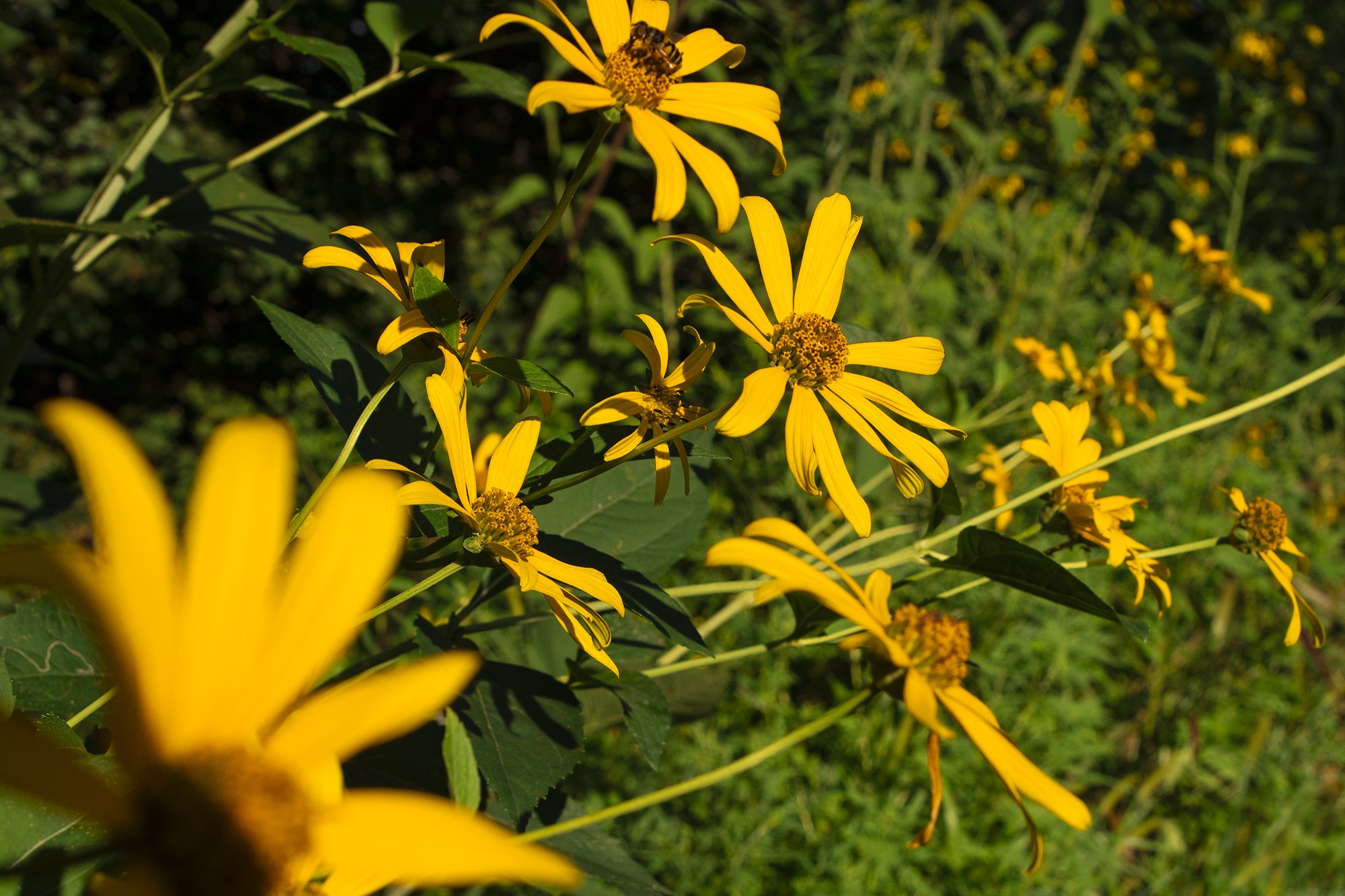
Oxeyes bloom as far as the eye can see along Deforest Street in summer. Though one of the smallest Urban Wilds, Deforest Street contains an active pollinator garden and a woodland. Residents of the surrounding neighborhood formed a friends group and successfully lobbied for the conservation of this land.
Part of the Boston Urban Wilds series
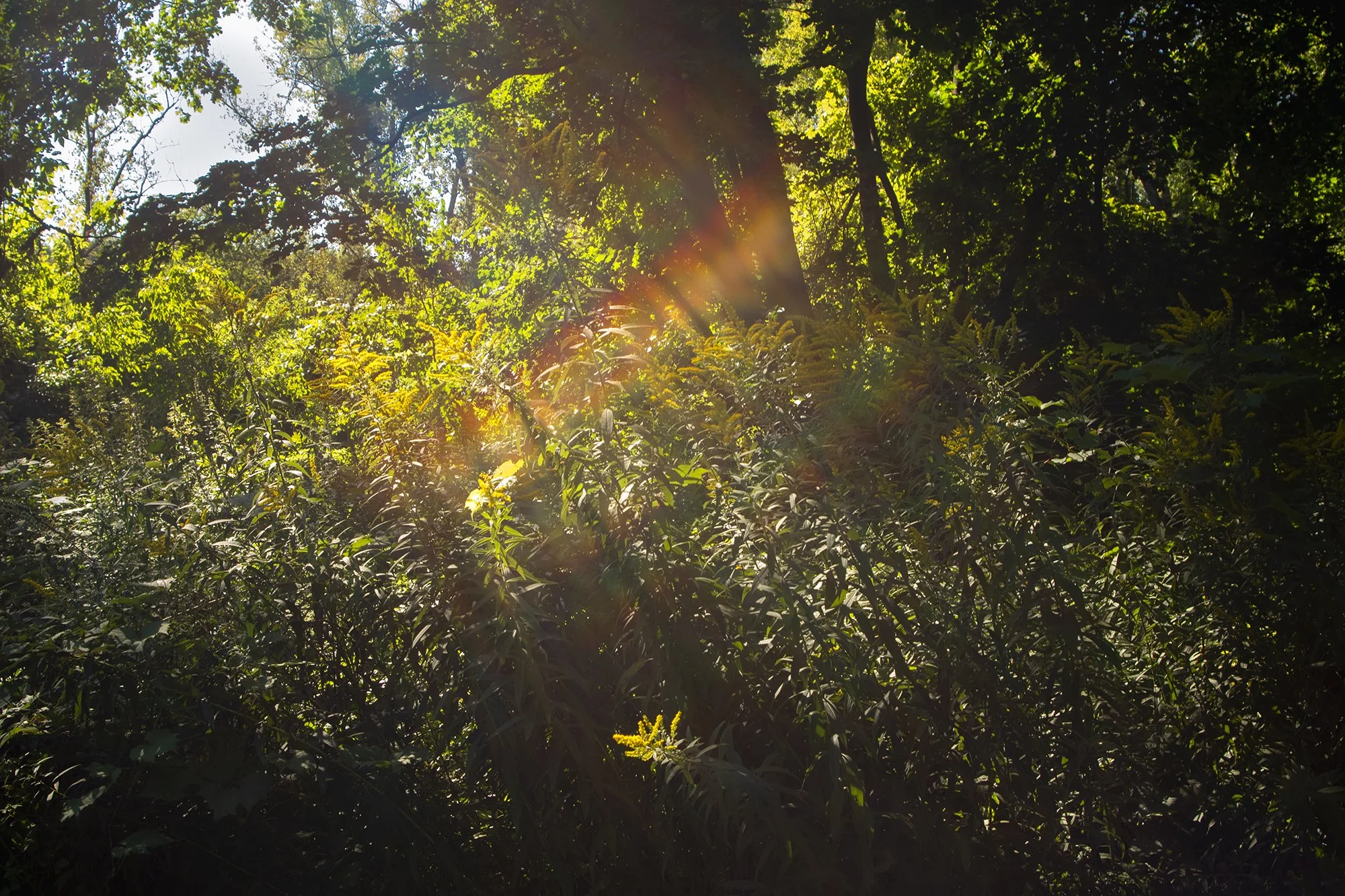
A patch of goldenrod glimmers in the summer sun along the Blackwell Footpath. Goldenrods feed bees, butterflies, and other pollinators while helping to stabilize soil.
Part of the Boston Urban Wilds series